At the very tip of the Americas — where the continent runs out of land before the Drake Passage and Antarctica — Chile is creating one of its most extraordinary new national parks. Cape Froward National Park will protect approximately 150,000 to 178,000 hectares of subantarctic forest, peatland, and coastline at the southernmost point of the South American mainland.
President Gabriel Boric greenlit the project in 2024, and the national forestry commission CONAF has been completing administrative procedures and formal consultations with the Indigenous Kawésqar people, whose ancestral territory this has been for thousands of years. The park is expected to be officially proclaimed before Boric's term ends in spring 2026, adding a spectacular new chapter to Chile's “Route of the Parks.”
A Gift at the Edge of the World
Rewilding Chile — an offshoot of Tompkins Conservation, whose founders have donated millions of acres across Patagonia to create parks — transferred its land holdings in the area to the Chilean state in 2025. Combined with public lands, these donations form the core of the new protected area.
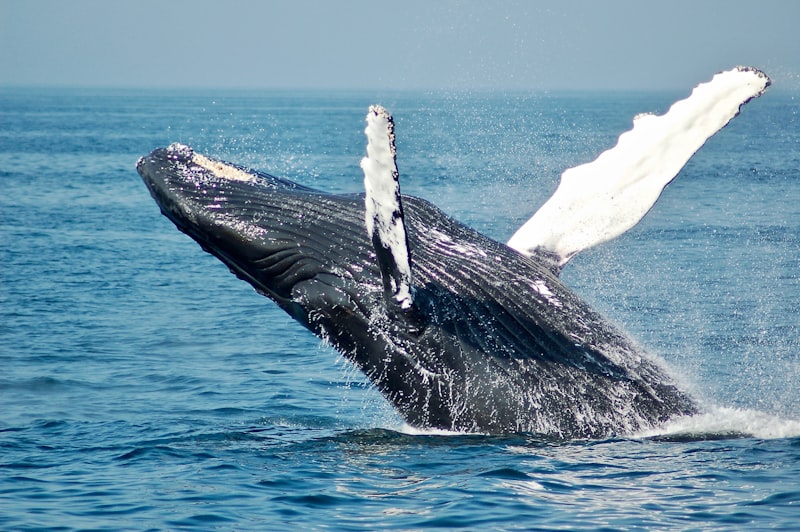
The region is ecologically exceptional. Cape Froward's waters support whales, sea lions, southern right whales, and orcas. On land, endangered huemul deer (the national animal of Chile, which has been declining for decades) and southern river otters roam the ancient Magellanic forests. Ruddy-headed geese, steamer ducks, and Andean condors round out a remarkable roster of species.
Completing a Wildlife Corridor
Cape Froward would become the 18th addition to Chile's Route of the Parks — a network of eleven national parks and reserves stretching 2,800 kilometres along Patagonia. The new park completes a critical wildlife corridor, allowing species to move between protected areas without crossing unprotected land.
Chile has protected more than 22 million hectares — over 30% of its territory — through its national parks system since the Tompkins Conservation legacy began. Cape Froward would be among the most remote and pristine additions to that network.
Sources: Rewilding Chile, Chilean Government (gob.cl), Outside Online, Happy Eco News (2025-2026)