In the swamps and mangrove forests of Southeast Asia, one of the world's most elusive wild cats has been captured on camera — and its return is a powerful sign that devastated wetlands are coming back to life.
A Cat That 'Borders on Myth'
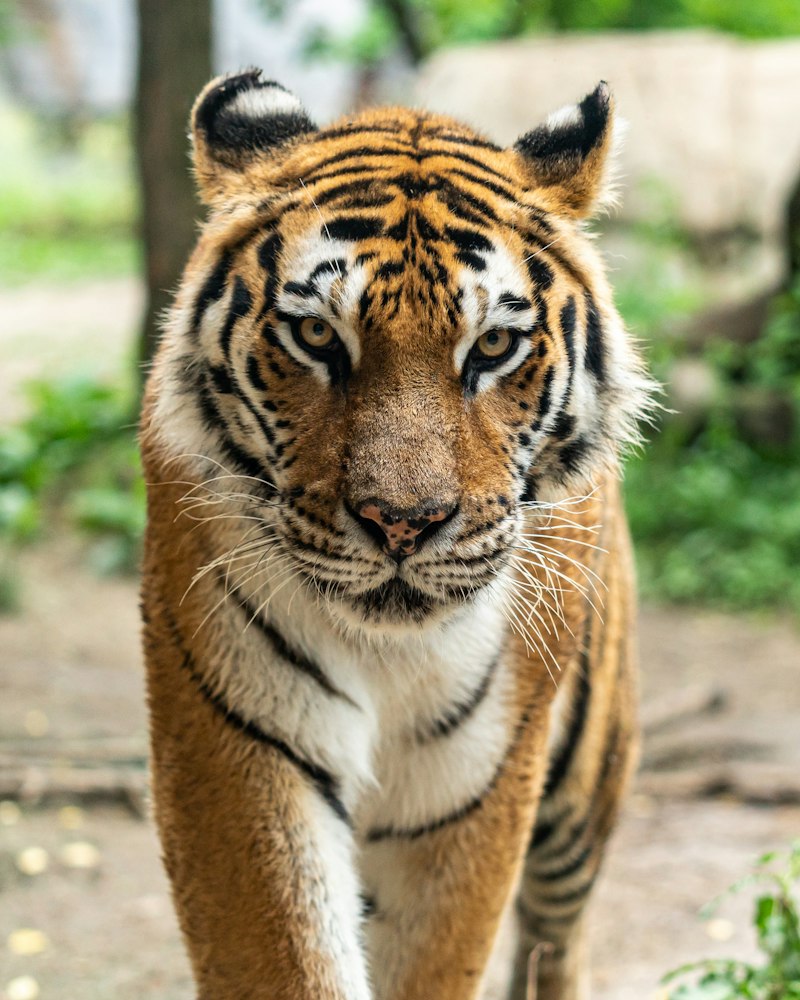
The fishing cat is roughly twice the size of a domestic housecat, with a dense waterproof double-layered coat and partially webbed toes that make it an exceptional swimmer. It hunts fish, frogs, shellfish, and rodents at night in wetland habitats across South and Southeast Asia.
But with fewer than 10,000 remaining in the wild, Conservation International describes the vulnerable species as so rare that it "borders on myth." Habitat destruction, pollution, and overfishing have pushed it to the edge.
A Thrilling Discovery
That's what makes the new trail camera footage from Pursat, Cambodia so remarkable. An adult fishing cat was captured padding near the edge of Tonlé Sap, Southeast Asia's largest freshwater lake — the first sighting in the area in years.
"It's a thrilling discovery," said Sony Oum, who leads Conservation International's work in Cambodia. "But its sighting indicates so much more than just the return of the fishing cat — it's a testament to the hard work of the community to restore their wetlands."
15 Years of Restoration
For 15 years, Conservation International has worked with the Royal Government of Cambodia and 16 local fishing communities to restore the Tonlé Sap. By removing invasive species, preventing pollution, and combating overfishing, the partnership has enabled 2,470 acres of forest regrowth.
"The cat's return suggests fish are abundant enough to sustain a hunter," Oum said. "It suggests the flooded forests have regained some of the underbrush that predators need. It suggests that, at least here, the wetlands are recovering."
Bigger Than One Species
The Tonlé Sap is home to over 300 species of fish, 200 species of birds, 40 species of reptiles and amphibians, and 50 species of mammals. It also sustains 1.5 million people living in stilt houses and floating villages who rely on the lake for freshwater, food, and fuel.
"Not long ago, the flooded forests were facing destruction," Oum said. "Today, we see restored swamp forests bringing native wildlife home — like otters, birds, and the enigmatic fishing cat."
Sources: Conservation International, Good Good Good